
For many local businesses, Yelp advertising ends up in one of two categories. It is either ignored completely or treated as a standalone expense that sits apart from the rest of the marketing plan.
Neither approach gets the most out of the channel. Yelp reaches people who are actively looking for a local business and are often close to choosing one, which can make it valuable when it is used alongside search advertising, organic visibility, and other local marketing efforts.
The real question is not simply whether Yelp ads are worth buying. It is what role they should play in the broader mix.
Where Yelp Fits Best
Yelp tends to be most useful for businesses that serve a defined local market and compete heavily on convenience, reputation, and proximity. Restaurants, home service companies, auto repair shops, salons, spas, and many health and wellness businesses all fit naturally into that environment.

People searching on Yelp are usually looking for something specific nearby and comparing several options at once. That gives the platform a different kind of value from a broader awareness campaign, because the user is already much closer to making a decision.
That does not mean Yelp should automatically receive a large share of every local advertising budget. Some businesses operate in categories where customers rely much more heavily on Google search, referrals, social media, or another discovery channel.
The starting point is understanding where customers are actually looking. A channel should earn budget because it reaches the right people at the right stage of the buying process, not because it happens to be available.
Budget Yelp Against Other Channels
Most small and mid-size businesses do not have unlimited advertising budgets. Every dollar committed to Yelp is a dollar that cannot be spent on Google Ads, paid social, local sponsorships, or another channel.
That makes comparison important. If Yelp ads generate qualified phone calls and quote requests at a reasonable cost per lead, the platform may deserve a larger share of the budget.
If Google Ads consistently produces similar leads at a lower cost, the balance should move in the other direction. The goal is not to force every channel to receive equal spending, but to keep moving money toward the places where it produces the strongest business results.
Those decisions may also change throughout the year. Demand in San Diego can shift with tourism, weather, seasonal home-service needs, and major local events, so a budget allocation that makes sense in one month may not make sense six months later.
Keeping spend flexible makes it easier to take advantage of those changes instead of leaving every campaign at the same level all year.
Track What Yelp Actually Produces
Clicks are useful, but they do not tell a business whether the advertising is profitable.
Effective Yelp management focuses more closely on actions that can lead to revenue. Phone calls, messages, quote requests, website visits, and direction requests all provide more context about what people do after seeing the ad.
The next step is understanding how many of those interactions turn into actual customers. A channel that generates fewer leads may still be worthwhile if those leads are more qualified or convert at a higher rate.

That is why Yelp needs to be measured against the same business outcomes used to evaluate other advertising platforms. Cost per lead, lead quality, conversion rate, and ultimately customer value matter more than the number of times an ad was viewed or clicked.
Without that tracking, businesses often make decisions based on assumptions. They may continue paying for a campaign because it appears busy, or shut one down because they cannot see the calls and customers it was actually producing.
Regular performance reviews make those decisions easier. Budget, targeting, and ad content can be adjusted based on what is happening rather than leaving the campaign on autopilot indefinitely.
The Yelp Listing Still Matters
Advertising can bring more people to a Yelp page, but the page itself still has to convince them to take the next step.
Accurate hours, current business information, strong photos, and a healthy base of genuine customer reviews all affect what someone sees after clicking. A thin or outdated listing creates friction even if the ad itself worked perfectly.
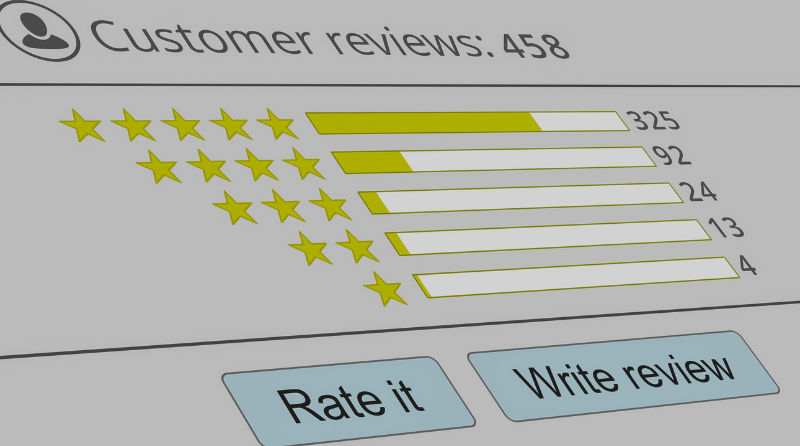
Ratings can influence performance as well. Sending more paid traffic to a page with weak reviews may simply expose more potential customers to the reasons previous customers were dissatisfied.
That is why ad performance and listing quality should be evaluated together. Improving the page does not replace advertising, but it can help the traffic the ads generate convert more effectively.
Yelp Works Best as Part of the Mix
Yelp advertising can be a strong source of local leads when the business fits the platform, the budget is justified by results, and performance is measured against outcomes that matter.
A San Diego internet marketing company managing Yelp alongside search advertising and other local channels can compare those results directly instead of treating Yelp as a separate line item.
That makes it easier to know when Yelp is earning more budget, when spending should be reduced, and when another channel offers a better opportunity.
The point is not to advertise everywhere. It is to understand what each channel contributes and keep investing where customers are actually being found.
Vizolutions
+19495369766
4660 La Jolla Village Dr Suite 100, San Diego, CA 92122