

Personal injury law sounds like a single category from the outside, but the cases inside it do not all work the same way. A rear-end car accident, a motorcycle crash, a trucking collision, and a slip-and-fall on unsafe property may all fall under the same broad legal label, yet the liability standards, evidence needs, insurance issues, and defense tactics can look completely different from one case to the next.
That distinction matters when someone is deciding who should handle the case. A firm that has built efficient systems around standard auto claims may be very capable in that lane, but that does not automatically mean it is equally prepared for the dynamics of a motorcycle claim, a commercial vehicle case, or a premises liability dispute. In a place like San Diego, where dense traffic, freeways, coastal activity, military-adjacent riding culture, construction, and commercial properties all shape the local injury landscape, the right fit often depends on what actually happened.
Auto Accidents Are Common, but the Real Difference Is Often in the Handling
Standard auto collisions make up a large share of personal injury filings, and on paper many of them seem relatively straightforward. Rear-end crashes often begin with a strong presumption against the trailing driver, intersection collisions usually turn on right-of-way analysis, and California’s pure comparative negligence framework means even a partially at-fault driver may still recover damages reduced by their share of fault.
What often separates firms in this space is not whether they know the general liability rules, but how well they negotiate with insurers and document damages. Because many ordinary car accident cases settle without trial, the attorney’s ability to respond to low offers, organize treatment records, and present the claim clearly can matter just as much as formal courtroom skill.
That does not make these cases simple in every instance. It means the workflow is often more standardized, which can be an advantage when the facts are typical, but less useful when the case starts to depart from those familiar patterns.
Motorcycle Accidents Require a Different Kind of Case Strategy
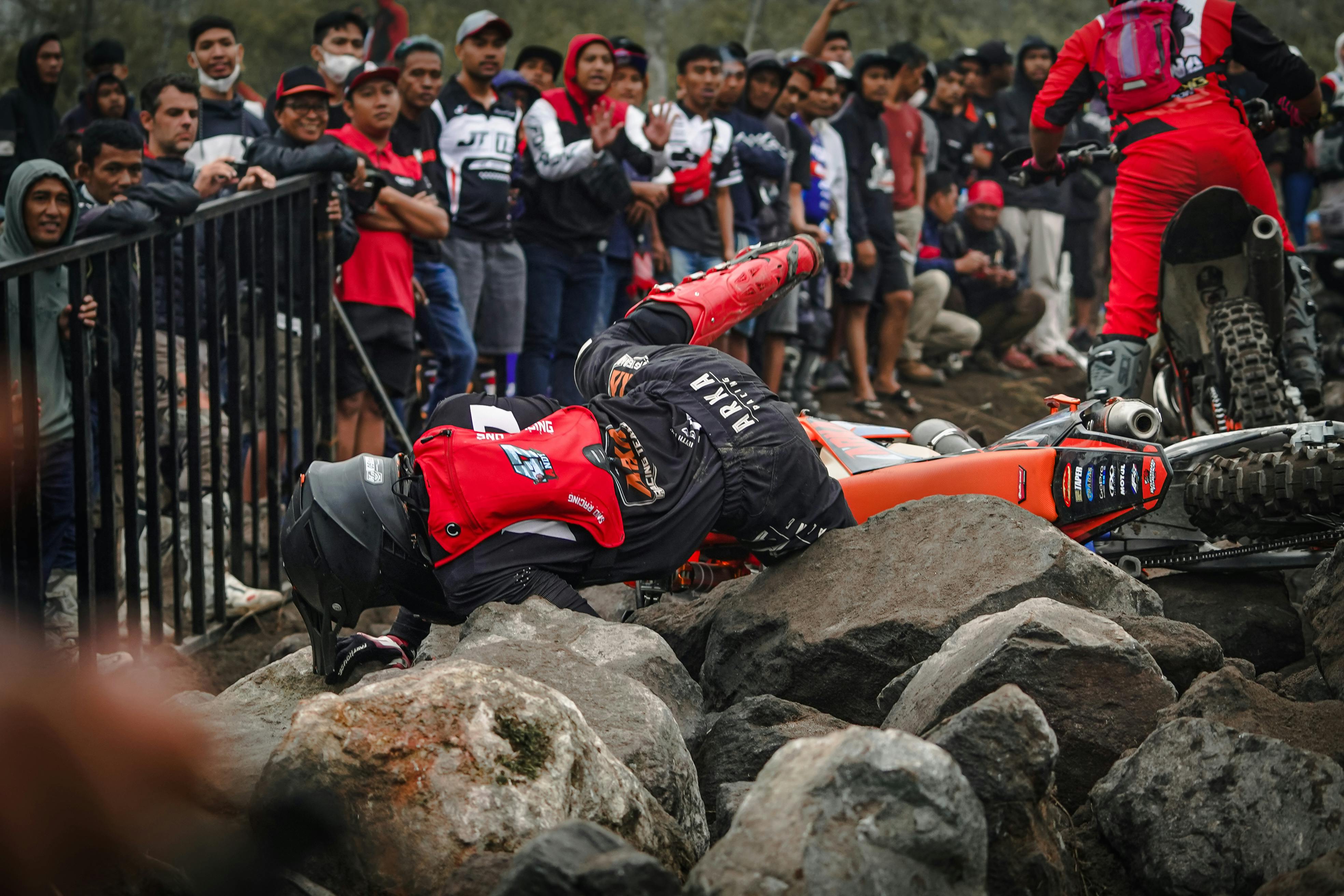
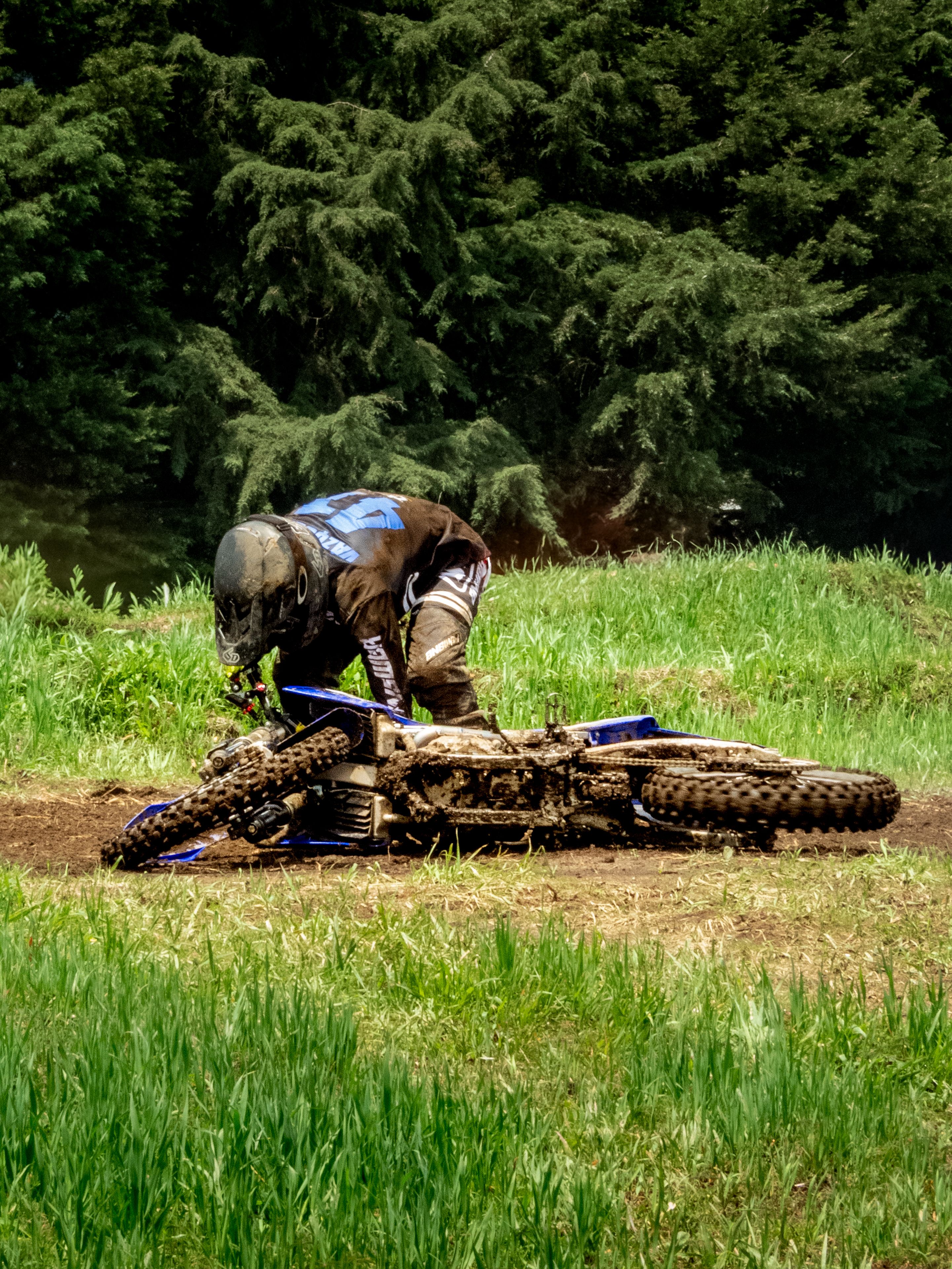
Motorcycle collisions are not just car accident cases with different vehicles. They are often more serious, more medically expensive, and more vulnerable to bias from the moment the claim begins.
The severity issue comes first. Because riders do not have the protection of a metal enclosure, the injuries in these cases tend to be much more significant, often involving traumatic brain injury, spinal damage, lower-extremity fractures, and severe road rash that can require skin grafting or long-term reconstructive care. The medical costs and long-range consequences can be dramatically greater than what a lawyer might see in an ordinary auto case, even where both crashes occurred at similar speeds.
There is also a perception problem that works against the rider from the start. Insurance adjusters and defense lawyers know that many people carry assumptions about motorcyclists, including the belief that the rider must have been speeding, taking risks, or somehow inviting danger simply by choosing to ride. A motorcycle accident attorney who handles these cases regularly understands that this bias has to be addressed early, before it starts shaping liability arguments, claim valuation, and ultimately the posture of the entire case.
California’s lane-splitting law adds another layer. The fact that lane splitting is legal does not stop insurers from trying to use it as a comparative fault argument, which means the real question often becomes whether the rider was splitting safely under the specific traffic conditions and speed involved. That kind of dispute requires more than generic accident handling. It requires familiarity with how these claims are framed, how riders are often blamed, and how to build a factual record that pushes back against those assumptions instead of letting them take hold.
A firm that mainly handles ordinary car accident cases may not immediately recognize how different this fight can become. Motorcycle claims often demand a more deliberate strategy, both because the damages are so much larger and because the insurer’s skepticism tends to be more aggressive from day one.
Truck and Commercial Vehicle Cases Turn Into Evidence Battles Quickly
Trucking and commercial vehicle cases usually involve more than just the conduct of one driver. These claims can require attention to hours-of-service rules, maintenance history, driver qualification files, black box data, and the roles of multiple potentially responsible parties such as the driver, the company, a broker, or a cargo loader.
They also move fast in a way that many injured people do not expect. Commercial insurers and defense teams may respond quickly to protect the record and shape the evidence early, which means a lawyer handling these cases needs to know what to preserve and how to act before critical information disappears.
Pedestrian and Bicycle Cases Raise Different Liability and Damages Questions
Pedestrian and bicycle accidents are shaped by a different set of factual questions than typical vehicle-versus-vehicle collisions. In San Diego’s coastal neighborhoods, downtown areas, and university-adjacent zones, these cases often center on crosswalk rules, right-of-way, vehicle speed in pedestrian-heavy areas, and whether the people involved were exercising due care under the circumstances.
The injuries also tend to be severe because pedestrians and cyclists have little or no physical protection. These cases often require a more developed analysis of long-term rehabilitation, future care, permanent disability, and lost earning capacity than a simpler accident claim might require.
Premises Liability Cases Operate on a Different Legal Framework
Premises liability claims, including slip-and-fall injuries and other property-based incidents, do not begin with questions about who caused a collision. They begin with whether the property owner knew or should have known about a dangerous condition and failed to correct it or warn about it.
That change in framework makes evidence preservation especially urgent. A wet floor gets cleaned, a broken handrail gets repaired, and poor lighting conditions can be altered quickly, which means a lawyer with premises liability experience knows that preserving the condition of the scene may become the central battle before the claim has even fully taken shape.
The Type of Accident Usually Determines What Skills Matter Most
This is where the choice of lawyer becomes more than a branding exercise. A firm may be broadly capable in personal injury law, but the question a potential client should ask is whether the lawyer understands the evidence patterns, insurer tactics, liability arguments, and damages model that are specific to the type of accident involved.
That is why the category matters so much. The right lawyer for a standard rear-end claim may not be the right lawyer for a motorcycle collision, a truck crash, or a property injury case, because each of those matters asks different questions and creates different vulnerabilities.
How Villasenor Law Offices Fits Into These Cases
For injured people in San Diego, Villasenor Law Offices is positioned to handle the full range of personal injury matters rather than only one narrow slice of them. That breadth matters because the region’s accident profile is broad, and the legal strategy that works in one case type may not be enough in another.
At the same time, broad capability only matters if it is paired with case-specific understanding. What ultimately shapes the outcome is not just whether a firm handles personal injury law in general, but whether it recognizes the dynamics of the exact type of accident at issue and builds the case around those realities from the beginning.
The Right Lawyer Is the One Who Understands the Accident You Actually Had
The type of accident shapes almost everything about the claim, from what evidence matters most to how fault is argued to what insurance defenses are likely to appear. It also shapes how damages should be calculated and what kind of work the attorney needs to do early in the case to keep the claim from being undervalued or misunderstood.
For injured people trying to decide where to turn, that means the most useful question is not simply whether a firm handles personal injury matters. It is whether the firm understands the kind of accident that happened, and whether it knows how to fight the specific battle that kind of case usually becomes. Readers dealing with any serious injury accident in San Diego should consider contacting Villasenor Law Offices to discuss what their particular case may require and how to approach it effectively.
Villasenor Law Offices
+18587077771
12396 World Trade Dr Suite 211, San Diego, CA 92128